









Send Us A Message
Common Faults in Old Winding Machines With Vibration Isolation
Common Faults in Old Winding Machines With Vibration Isolation
For after-sales maintenance teams, diagnosing a used secondhand old winding machine with vibration isolation requires more than routine inspection.
Aging components, hidden wear, and unstable operating conditions often create faults that come back after temporary repair.
That is why fault analysis must connect vibration behavior, winding quality, and mechanical condition at the same time.
This guide focuses on the most common failure patterns, likely causes, and practical actions that reduce downtime and restore stable output.
Why Faults Repeat in a Used Secondhand Old Winding Machine With Vibration Isolation
Older winding machines rarely fail from one cause alone.
More often, the problem starts with wear, then grows through poor alignment, weak damping, or unstable tension feedback.
In a used secondhand old winding machine with vibration isolation, the isolation system can hide early warning signs.
The machine may seem smoother at first, while internal looseness, bearing fatigue, or roller imbalance continue getting worse.
Typical root causes
- Aged vibration pads losing stiffness consistency
- Worn shafts, couplings, or support bearings
- Improper reel alignment after relocation or overhaul
- Drive parameter drift in older control systems
- Dust, oil, and heat affecting sensor accuracy
Fault 1: Abnormal Vibration During Startup or Speed Changes
This is one of the most common complaints in a used secondhand old winding machine with vibration isolation.
The vibration often appears during acceleration, deceleration, or roll diameter changes.
A common mistake is replacing the isolation pads first without checking rotating accuracy.
Likely causes
- Dynamic imbalance of winding shafts or rollers
- Loose anchor points in the isolation base
- Coupling misalignment between motor and transmission
- Uneven hardness among isolation elements
Practical checks
- Measure vibration at low, medium, and rated speed.
- Compare horizontal and vertical values at both drive and operator sides.
- Check shaft runout before replacing damping parts.
- Retighten base bolts with a verified torque standard.
Fault 2: Poor Winding Quality and Edge Misalignment
When the roll surface becomes uneven, maintenance should look beyond operator settings.
In many cases, a used secondhand old winding machine with vibration isolation develops small structural shifts over time.
Those shifts affect web tracking, tension balance, and contact pressure.
What usually causes it
- Guide roller wear or contamination
- Tension sensor deviation
- Unequal pressure from pneumatic or hydraulic loading
- Frame distortion after long service life
A straight laser alignment check often reveals more than visual inspection.
If the machine handles film or coated materials, even slight deviation can quickly damage product consistency.
Fault 3: Unstable Tension and Frequent Control Alarms
From recent service trends, tension instability is becoming a more visible issue in refurbished equipment.
That also means electronic faults and mechanical faults are now more closely linked.
On a used secondhand old winding machine with vibration isolation, loose motion can disturb encoder or load cell readings.
Key inspection points
- Encoder coupling wear
- Cable shielding damage
- Load cell drift after long-term overload
- Drive tuning mismatch with current roll sizes
Do not adjust control parameters before confirming mechanical stability.
Otherwise, the alarm may disappear briefly, while the real source remains active underneath.
Fault 4: Bearing Heat, Noise, and Short Service Life
Bearing trouble is often treated as a lubrication issue only.
In reality, vibration isolation changes how loads transfer through the frame.
If isolation parts settle unevenly, bearing seats can carry side loads they were never designed for.
Warning signs worth tracking
- Temperature rise after speed increase
- Periodic noise at constant load
- Grease discoloration or leakage
- Repeated failure on one side only
When the same bearing fails twice, inspect the seat, shaft fit, and base level before ordering another replacement.
A Practical Maintenance Routine That Prevents Recurrence
In field service, the best results come from a fixed sequence rather than isolated repair actions.
- Record fault timing, speed, load, and material condition.
- Check foundation, isolation points, and fasteners.
- Measure alignment, runout, and bearing temperature.
- Verify sensor signals and drive response.
- Run a short trial across several diameters and speeds.
This process is especially useful for a used secondhand old winding machine with vibration isolation because hidden issues rarely appear in one test point.
A broader trend review often saves more time than repeated part swapping.
How Refurbishment Quality Affects Future Service Risk
Not all rebuilt machines perform the same, even if appearance looks similar.
The real difference comes from overhaul depth, replacement standards, and commissioning quality.
JC INDUSTRY combines research, manufacturing, commissioning, and refurbishment experience across multiple mechanical sectors.
Its recycling center was built to upgrade older equipment and return it to production with dependable performance and a 24-month warranty.
That same engineering mindset also appears in solutions such as the Synthetic leather calender line, which supports PU and PVC applications with customizable specifications and PLC-based operation.
For maintenance teams, this matters because equipment designed for easier operation usually becomes easier to service and stabilize over time.
Final Service Takeaway
A used secondhand old winding machine with vibration isolation should never be judged by surface smoothness alone.
The most reliable repairs come from linking vibration, alignment, tension, and bearing condition into one diagnosis path.
When recurring faults appear, start with measurements, confirm structural stability, then fine-tune controls.
That approach reduces guesswork, protects product quality, and keeps older winding equipment productive for longer.
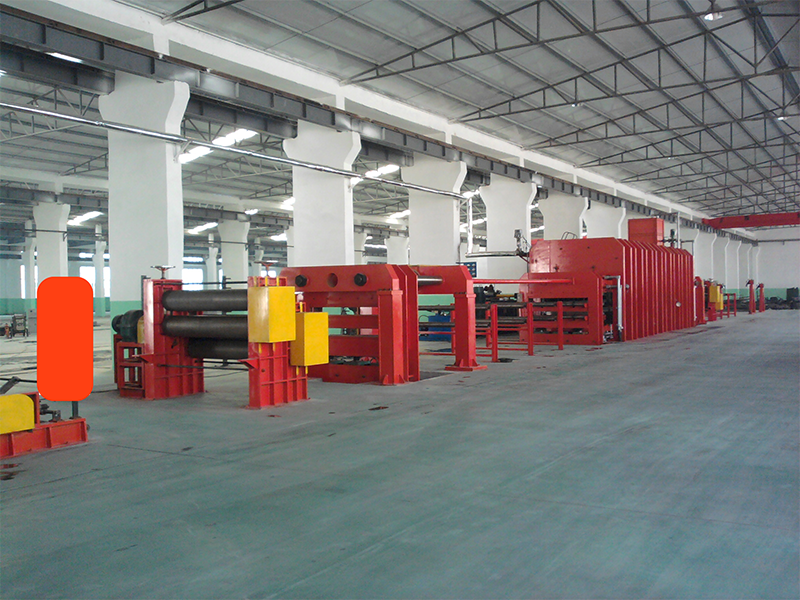
 Fabric cord conveyor belt curing press lineDiscover our advanced fabric cord conveyor belt curing press line, featuring precision tensioning, hydraulic systems, and PLC controls for efficient metal processing. Ideal for high-quality steel cord applications.
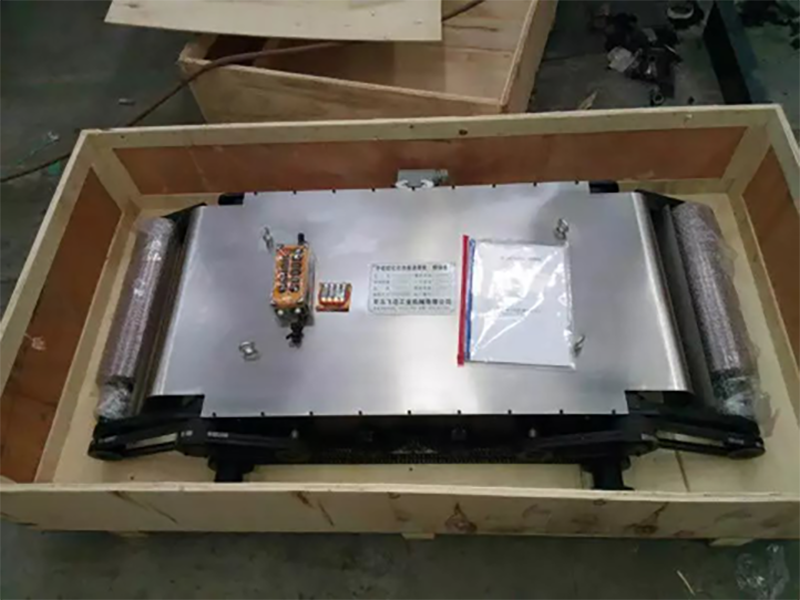
 Platen cleaning deviceEfficient platen cleaning device designed for conveyor belt curing presses. Works in 230mm-350mm daylight with temperature limits below 60℃. Includes brush roller, remote & spare parts.
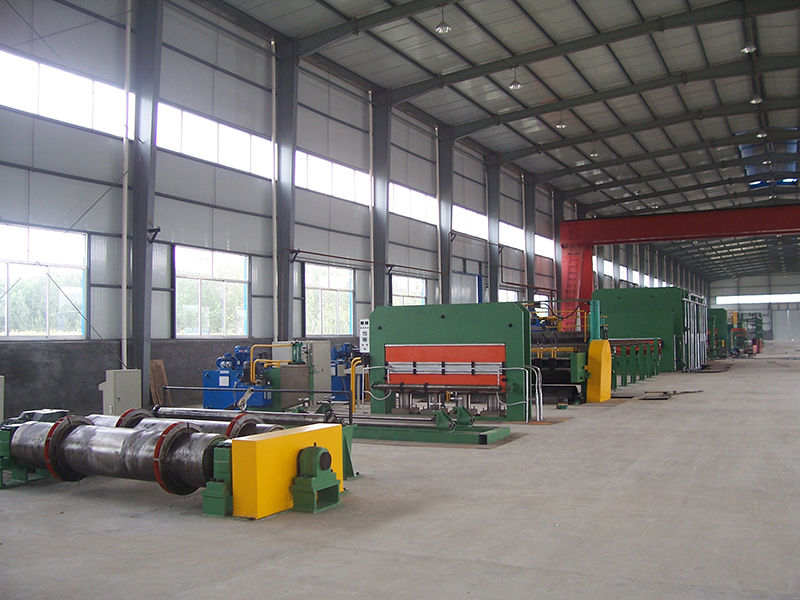
 Steel cord conveyor belt curing press lineProfessional steel cord conveyor belt curing press line for metal processing. Features PLC control, hydraulic systems, and precision tensioning. Ideal for durable conveyor belt manufacturing.