









Send Us A Message
Future Trends in Eco-Friendly Devulcanization Technology
As sustainability reshapes the metal processing equipment industry, eco-friendly devulcanization technology is becoming a key driver of greener rubber recycling and smarter manufacturing. From energy-efficient systems to intelligent process control, future innovations are opening new opportunities for enterprises to reduce waste, lower carbon emissions, and improve production value while meeting rising environmental standards.
For equipment manufacturers, tire plants, and recycling investors, the next phase of devulcanization is no longer only about recovering rubber. It is about building cleaner process chains, integrating digital control, reducing maintenance cost, and improving the economic value of reclaimed material in demanding industrial environments.
In this context, metal processing equipment suppliers with cross-disciplinary capabilities are becoming increasingly important. Enterprises such as JC INDUSTRY, a national high-tech enterprise and one of the Top 500 Chinese machinery companies, are well positioned to support this transition through equipment design, installation, intelligent control, refurbishment services, and Industry 4.0-oriented manufacturing solutions.
Why Eco-Friendly Devulcanization Matters in Modern Equipment Manufacturing
Devulcanization converts waste rubber into reusable material by selectively breaking sulfur cross-links while preserving as much polymer value as possible. In industrial practice, this directly affects energy use, downstream mixing stability, product consistency, and the service life of associated machinery.
Traditional thermal or chemical methods can create 3 common problems: high power consumption, unstable output quality, and secondary emissions. For plants operating 2 to 3 shifts per day, these issues quickly translate into higher utility bills, more frequent cleaning cycles, and stricter environmental compliance pressure.
Key operational drivers behind the technology shift
- Lower energy demand per processing batch through improved heat transfer and shorter cycle times
- Reduced odor, dust, and volatile by-product release with enclosed treatment systems
- Better reclaimed rubber quality for reuse in belts, mats, molded products, and selected tire-related applications
- Higher automation levels that cut manual intervention by 20% to 40% in typical equipment layouts
For the metal processing equipment industry, the opportunity goes beyond rubber recovery itself. Future-ready devulcanization lines require pressure vessels, conveying systems, controlled heating modules, precision fabrication, and durable metal components that can tolerate repeated thermal cycles and corrosive process conditions.
Where demand is increasing
Demand is rising in 4 application segments: tire recycling, conveyor belt production support, industrial rubber goods, and refurbished production lines. Buyers are increasingly looking for systems that combine recycling efficiency with practical maintenance access, spare parts support, and retrofit compatibility.
The following comparison highlights how future-oriented systems differ from older approaches used in many factories.
The practical takeaway is clear: future competitiveness depends on cleaner processing, more stable reclaimed output, and equipment architecture that can be upgraded rather than replaced every few years.
Future Technology Trends Shaping Eco-Friendly Devulcanization
The next generation of devulcanization technology will be defined by better control, lower environmental load, and stronger integration with upstream and downstream machinery. In metal-based equipment design, this means precision fabrication and digital monitoring must advance together.
1. Intelligent process control and sensor-based stability
Modern systems are increasingly using temperature, pressure, torque, and residence-time monitoring to control the reaction window more accurately. In many industrial setups, even a 5℃ to 10℃ deviation can affect reclaim quality, so real-time adjustment is becoming essential rather than optional.
This is where machinery companies with expertise in electronic control and intelligent equipment have an advantage. JC INDUSTRY has built its development direction around integrating information communication, electronic control, and intelligent equipment, which is highly relevant to future recycling lines and tire-related manufacturing systems.
2. Lower-temperature and energy-efficient treatment routes
Instead of relying only on aggressive heat input, future processes are expected to favor more controlled thermal-mechanical combinations. The target is to reduce unnecessary polymer damage while keeping cycle times within commercially acceptable ranges such as 30 to 90 minutes per batch, depending on feedstock and line design.
Energy saving is not only about the reactor. It also includes insulated metal chambers, efficient drive systems, heat recovery, and auxiliary equipment with lower idle consumption. Plants reviewing total line power use often find that support equipment can account for a meaningful share of avoidable waste.
3. Closed-loop environmental protection systems
Future eco-friendly devulcanization plants will increasingly adopt integrated gas collection, dust control, condensate management, and wastewater minimization. In most industrial procurement projects, environmental handling is now evaluated alongside output capacity, not after commissioning.
Core design priorities for cleaner operation
- Sealed transfer points to reduce fugitive emissions
- Accessible filtration units for maintenance every 1 to 4 weeks, depending on load
- Corrosion-resistant metal components in high-contact zones
- Control logic that prevents overheating, overpressure, and unstable discharge
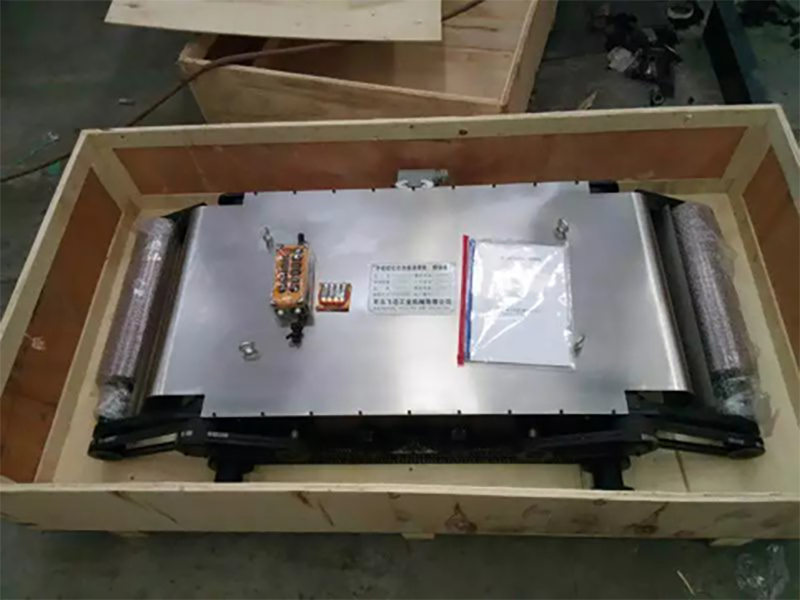
Another practical trend is the integration of support devices that keep process surfaces clean and maintain heat transfer performance. In conveyor belt manufacturing environments, a well-matched Platen cleaning device helps clean heating platens from the conveyor belt curing press, reducing buildup that can otherwise affect consistency, cleaning frequency, and downtime.
The product is designed for open daylight between platens from 230mm to 350mm, works at temperatures lower than 60℃, and uses 380V, AC, 3 phase, 4 lines power. With a brush roller, remote, and spare parts included, it fits buyers who need practical cleaning efficiency without adding complicated manual steps.
How Buyers Should Evaluate Equipment and Solution Providers
Choosing future-proof devulcanization equipment requires more than comparing quotation totals. B2B buyers should review at least 5 dimensions: process compatibility, utility consumption, environmental control, digital expandability, and lifecycle service support.
A practical supplier assessment framework
A reliable supplier should be able to discuss line design, metal fabrication durability, commissioning, operator training, spare parts response, and retrofit options. This matters especially when plants are balancing new investment with the continued use of upgraded existing machines.
The table below outlines common evaluation points used by industrial procurement teams when selecting eco-friendly devulcanization solutions.
The strongest projects usually come from suppliers who can support the full chain, from technical consultation to installation and commissioning. This integrated capability reduces coordination risk, shortens decision cycles, and improves accountability during acceptance.
Why refurbishment and reuse are becoming strategic
Carbon neutrality goals are also changing how companies purchase machinery. Since 2015, JC Industry has operated a Used Machinery and Equipment Recycling Center focused on refurbishing, upgrading, and reselling old equipment. For many buyers, this creates a practical path to control capital expenditure while still achieving near-new functional performance.
This approach is especially relevant when a plant wants to add recycling capacity in 1 or 2 stages rather than through a full greenfield investment. A refurbished line or upgraded sub-system can reduce financial pressure, accelerate deployment, and extend asset value without compromising warranty confidence.
Important questions before purchase
- Is the supplier able to provide installation and commissioning support?
- What is the expected maintenance interval for major wear parts?
- Can the line connect with current digital management or PLC systems?
- Is there a clear warranty period for both new and used equipment?
A 24-month warranty on both new and used equipment, as offered by JC Industry, addresses one of the biggest concerns in industrial procurement: risk after delivery. For many decision-makers, this is a stronger signal than aggressive sales claims because it directly affects uptime and budgeting.
Implementation Priorities for the Next 3 to 5 Years
Enterprises planning future devulcanization projects should focus on phased implementation rather than isolated machine purchases. In most cases, the best results come from combining process optimization, metal equipment upgrades, environmental modules, and operator training into one roadmap.
Recommended rollout sequence
- Audit current material flow, energy use, and bottlenecks over a 2 to 4 week period
- Select the target reclaim quality and define acceptable process windows
- Upgrade critical equipment such as heating, conveying, sealing, and control units
- Validate environmental performance before full-capacity production
- Establish preventive maintenance routines and spare parts planning
Plants that skip step 1 often oversize or undersize equipment. Plants that skip step 5 usually face rising downtime after the first 6 to 12 months. A structured rollout lowers this risk and makes investment performance easier to measure.
Common mistakes to avoid
One frequent mistake is evaluating devulcanization only by nameplate capacity. Another is ignoring support equipment cleanliness and platen condition in related curing or belt-processing systems. Even a high-quality reactor can lose efficiency if adjacent equipment introduces contamination, uneven heating, or avoidable delays.
This is why auxiliary devices should be reviewed as part of total line productivity. In conveyor belt operations, the Platen cleaning device is a good example of a compact solution that supports process stability by keeping heating surfaces clean within defined operating conditions.
Eco-friendly devulcanization technology is moving toward lower-emission processing, smarter control, and stronger integration with metal processing equipment across recycling and manufacturing lines. For buyers, the real value lies in selecting systems that improve reclaim quality, control operating cost, and fit long-term environmental requirements.
With its broad machinery portfolio, patent-backed innovation base, intelligent equipment direction, refurbishment capability, and 24-month warranty support, JC Industry offers a practical foundation for enterprises seeking cleaner, more efficient industrial transformation. To discuss equipment upgrades, used machinery options, or customized recycling solutions, contact us today to get a tailored proposal and explore the right next step for your production line.
 Platen cleaning deviceEfficient platen cleaning device designed for conveyor belt curing presses. Works in 230mm-350mm daylight with temperature limits below 60℃. Includes brush roller, remote & spare parts.
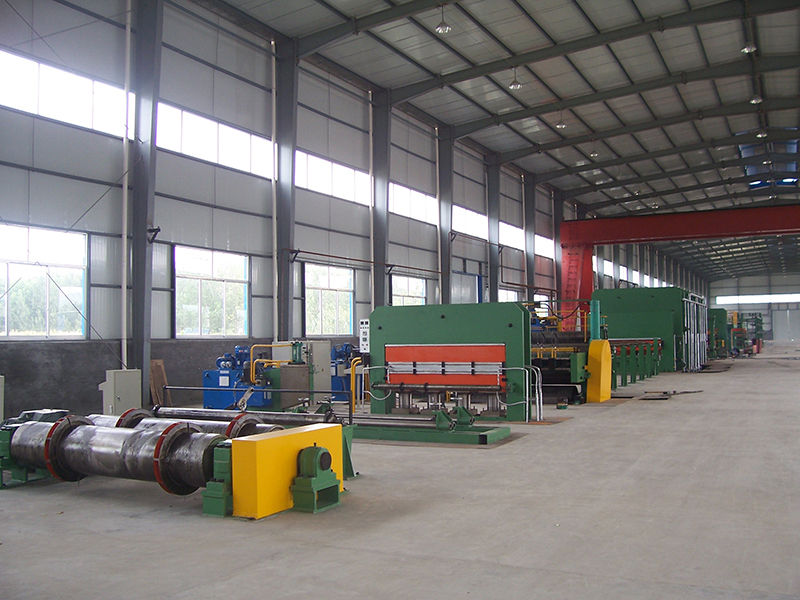
 Steel cord conveyor belt curing press lineProfessional steel cord conveyor belt curing press line for metal processing. Features PLC control, hydraulic systems, and precision tensioning. Ideal for durable conveyor belt manufacturing.
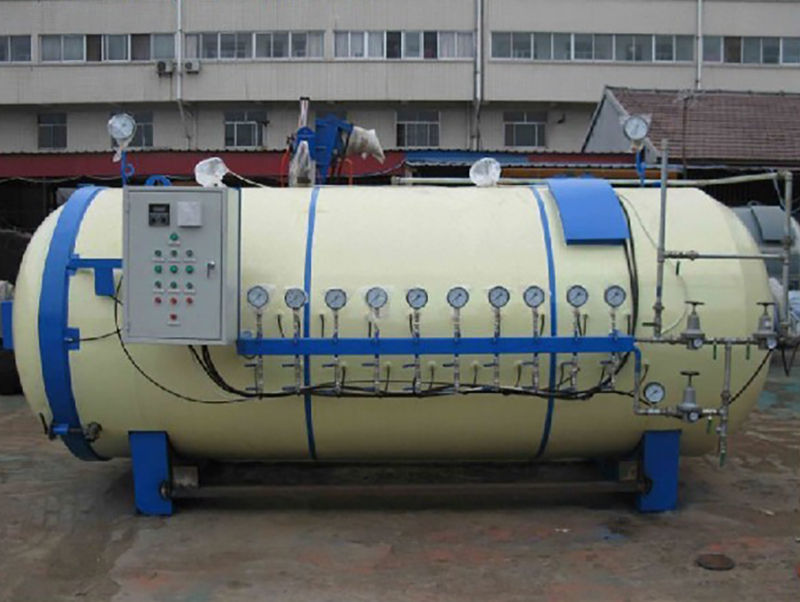
 Devulcanizer chamberHigh-performance DTG-Φ1400x3400A dynamic desulfurization tank with 16MnR construction, 2.2Mpa working pressure & automatic operation for efficient rubber powder processing.