









Send Us A Message
Devulcanization Chamber Systems for Rubber Processing: Engineering Guide
The global rubber recycling sector is shifting toward advanced devulcanization chamber systems. By selectively breaking carbon-sulfur (C-S) and sulfur-sulfur (S-S) bonds without destroying the main polymer backbone, these engineered systems restore elasticity to scrap rubber powder. For factory managers and engineers aiming for high-efficiency rubber powder processing, selecting the right reactor is paramount. This guide serves as the central hub for sourcing and optimizing these systems on
Part 1: System Engineering & Mechanics
A premium devulcanizer chamber consists of specialized mixing rotors or twin-screws encapsulated within an insulated, high-pressure barrel. These components generate uniform shear forces to ensure consistent agent penetration without causing localized overheating.
To analyze the fundamental operational cycle inside the reactor vessel, consult our technical module: [How Does a Devulcanization Chamber Work? (Step-by-Step)].
System Configurations: Batch vs. Continuous
The industry is divided into two primary material flow layouts:
Explore this mechanical decision matrix further in our specialized report: [Devulcanizer Chamber Design: Batch vs. Continuous Systems].
Part 2: Thermal Dynamics & Process Optimization
Cleaving sulfur cross-links requires precise thermal energy input. Modern chambers utilize independent, multi-zone thermal jackets (oil or electromagnetic induction) to create a targeted temperature profile. This maximizes devulcanization efficiency while preventing main-chain polymer degradation.
For comprehensive technical specs on managing these variables, read our optimization guide: [Optimizing Devulcanizer Chamber Heating & Temperature Control].
Part 3: Procurement Strategy & ROI Analysis
When sourcing heavy machinery via
Financial Engineering Matrix
Upgrading from legacy equipment to advanced systems redefines plant unit economics:
Examine our detailed financial analysis: [Cost-Benefit Analysis of Advanced Devulcanization Systems].
Part 4: Safety, Maintenance & Troubleshooting
Regulatory Compliance Alert: Pressure Vessel Standards
High-pressure devulcanizer chambers must strictly comply with global engineering codes, featuring ASME Section VIII stamps for North America or PED 2014/68/EU compliance for Europe. Electrical installations must match ATEX Zone 1/2 or Class I, Division 1 explosion-proof standards.
Review the full safety blueprints in our compliance manifest: [Safety Standards for High-Pressure Devulcanizer Chambers].
Maintenance and Troubleshooting Protocols
Technicians must implement a rigid inspection workflow targeting mechanical seals, rotor wear, and bearing temperatures.
To access downloadable templates and maintenance intervals, view our handbook: [Devulcanization Chamber Maintenance Checklist for Engineers].
If the system experiences pressure drops or temperature spikes, use the diagnostic trees in our reference guide: [Troubleshooting Common Devulcanizer Chamber Failures].
Part 5: Industrial Applications & Future Directions
Tire Reprocessing & Green Innovation
The tire manufacturing industry is the primary consumer of devulcanized compounds. Using high-purity rubber generated via precision chambers, manufacturers can reintroduce 15% to 20% recycled compound into tire formulations without sacrificing performance. See our application brief: [Devulcanization Chamber Applications in Tire Recycling].
As environmental legislation tightens, next-generation machinery focuses on chemical-free processing, shifting toward supercritical $CO_2$ extraction and biological co-processing. Discover these trends in our industry outlook: [Future Trends in Eco-Friendly Devulcanization Technology].
Part 6: FAQ
FAQ 1: What is the output quality variance between batch and continuous systems?
Batch systems deliver superior consistency for specialized, custom recipes. Continuous systems offer better uniform macro-quality over long, high-volume production campaigns.
FAQ 2: Why is precise pressure management critical in a high-pressure chamber?
Pressure forces desulfurization agents deep into the rubber powder pores and prevents compounding oils from vaporizing, which would otherwise cause thermal runaway.
FAQ 3: How long is the typical ROI period for upgrading to an advanced system?
For an industrial facility processing 5,000+ tons annually, the typical return on investment period falls squarely between 14 and 24 months due to massive energy and labor savings.
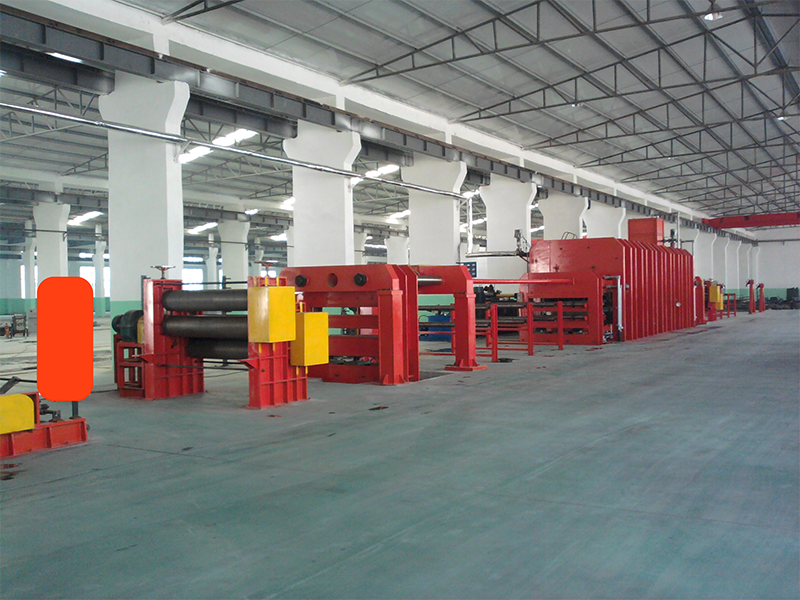
 Fabric cord conveyor belt curing press lineDiscover our advanced fabric cord conveyor belt curing press line, featuring precision tensioning, hydraulic systems, and PLC controls for efficient metal processing. Ideal for high-quality steel cord applications.
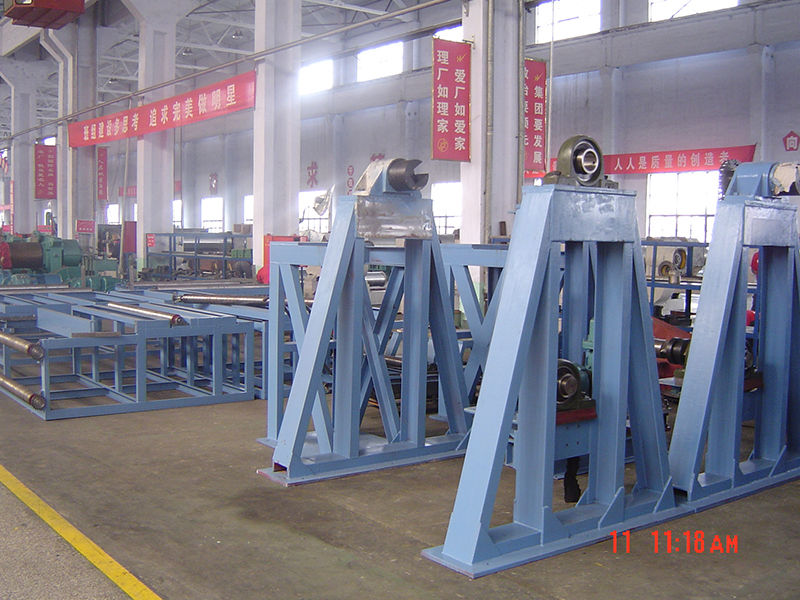
 Green belt building lineJC INDUSTRY manufactures high-quality conveyor belt constant tension laminating machines for fabric rubber conveyor belts. Features PLC control, EPS auto correction, and safety measures. Get factory-direct pricing.
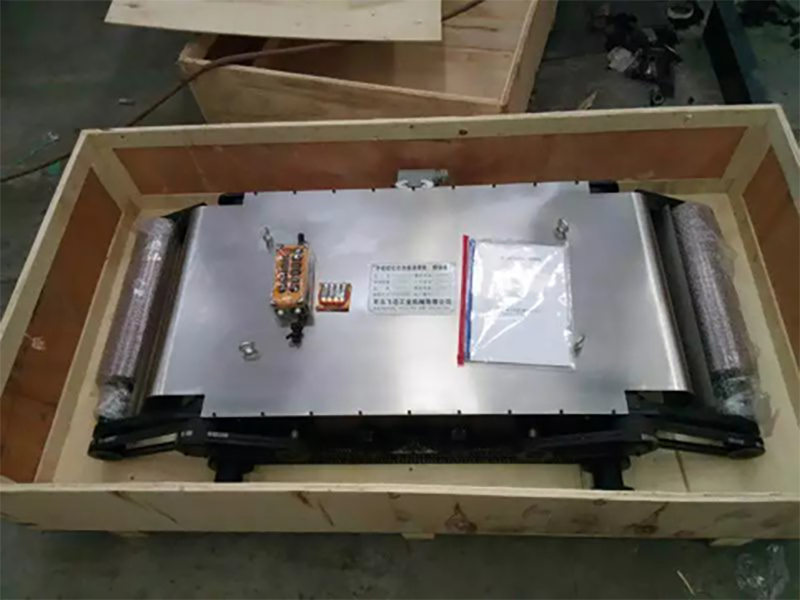
 Platen cleaning deviceEfficient platen cleaning device designed for conveyor belt curing presses. Works in 230mm-350mm daylight with temperature limits below 60℃. Includes brush roller, remote & spare parts.