









Send Us A Message
Selecting a Tyre Retreading Machine Based on Casing Condition and Volume
A tyre retreading machine should be selected from the casing stream backward, not from the catalogue forward. A plant handling uniform, well-maintained truck casings can prioritize repeatability and cycle time. A plant receiving mixed casings with variable age, repair history, and damage patterns needs more inspection capacity, repair capability, and process tolerance before it needs a faster builder or curing system.
The first question for a technical evaluator is therefore simple: what proportion of incoming casings can realistically reach the next process stage? Nominal plant capacity has little value when inspection rejects, repair queues, or curing delays interrupt the flow. The right configuration is the one that matches the usable casing yield and the required production volume without pushing marginal casings through a process that cannot control their risk.
Start with the condition profile of the casing supply
Casing condition affects almost every equipment decision in a retreading line. It influences inspection requirements, buffing depth control, repair workload, building accuracy, curing parameters, and final acceptance criteria. Treating all incoming casings as equivalent is a common source of poor throughput estimates.
For relatively consistent casings, the process can be configured around stable dimensions and predictable preparation. The main need is repeatable measurement, controlled buffing, accurate cushion-gum application, and reliable curing. In this case, automation can reduce handling variation and help maintain a regular production rhythm.
Mixed-condition casings create a different requirement. Variations in tread wear, shoulder damage, sidewall condition, bead-area damage, previous repairs, and internal defects make upstream screening more important than downstream speed. A high-output tyre retreading machine cannot recover value from casings that should have been rejected or routed to a different repair path. In fact, excessive pressure to fill machine capacity can make inconsistency more expensive by increasing rework, scrap, and claims exposure.
Before specifying machinery, classify the casing supply into practical groups: readily retreadable, repairable within the intended process, and unsuitable for retreading. The classification does not need to be academically complex, but it must reflect the plant's acceptance policy and the service conditions of the finished tyre. Heavy-duty fleet casings, for example, may justify a stricter inspection and documentation process than low-value or short-life applications.
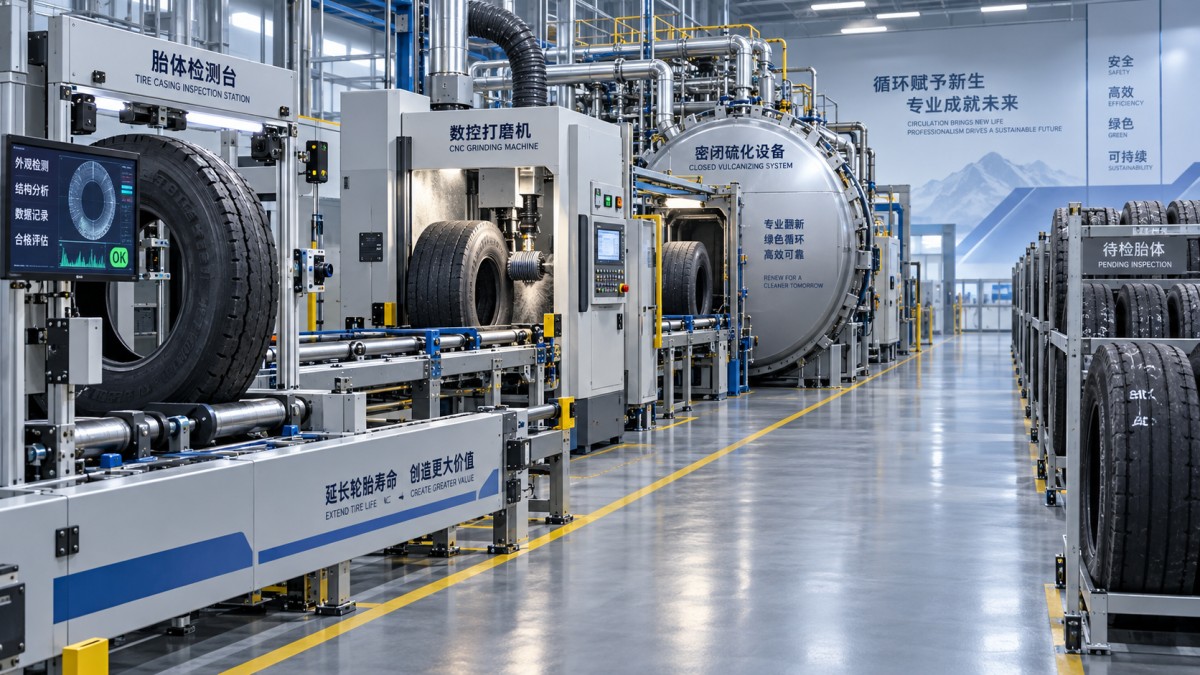
Inspection and repair capacity often set the real line output
Retreading equipment is frequently compared by its published output, but the limiting operation may be elsewhere. If shearography, visual inspection, nail-hole checking, or internal examination creates a queue, adding a faster buffer will not raise finished output. The same is true when repair stations cannot keep pace with the defects found during inspection.
Evaluators should map the process as a sequence rather than selecting each machine independently:
- incoming casing sorting and identification;
- external and internal inspection;
- repair preparation and repair curing where required;
- buffing and surface preparation;
- building or tread application;
- envelope fitting or other curing preparation;
- curing, cooling, final inspection, and release.
Each stage should have a defined expected pass rate and processing time. The relevant capacity figure is the number of acceptable finished tyres per shift, not the maximum number of casings one machine can touch in an hour. A line designed around mixed inputs may intentionally have more inspection and repair positions than a line handling premium fleet casings. That is not inefficiency; it is protection against an unstable input stream.
Automation also needs to be judged by process fit. Automated loading, measurement, and material handling can be valuable where tyre sizes and operating routines are stable. Where casing dimensions and repair requirements vary widely, equipment must still allow technicians to intervene without creating unsafe workarounds or long reset times. Ask how recipes are changed, how parameter access is controlled, and how the system records exceptions. These details matter more than a broad claim of “intelligent” operation.
Match curing and building choices to volume, not ambition
Production volume should determine the level of line integration and redundancy. A smaller operation may gain more from robust, flexible stations than from a tightly coupled automated line that sits underutilized. Conversely, a sustained higher-volume programme needs predictable material flow, controlled curing capacity, and enough maintenance coverage to prevent one stoppage from halting the entire plant.
A useful way to evaluate volume is to separate average demand from peak demand. If daily volume is uneven because casings arrive in batches or customer release schedules fluctuate, a line needs sensible work-in-process space and process buffers. Oversizing every machine for the peak is rarely the best answer. It can tie up capital, increase idle energy use, and encourage production decisions that prioritize machine utilization over casing quality.
Curing capacity deserves particular scrutiny because it can become a hidden constraint. The evaluator should compare the number of tyres that can be prepared for curing during a shift with the actual curing cycle, cooling time, loading pattern, and vessel availability. The correct calculation includes changeovers, routine cleaning, maintenance, and quality holds. A curing system that looks adequate on a theoretical hourly basis may be undersized once those normal operating conditions are included.
Do not let rejected-casing handling become an afterthought
Every retreading operation needs a defined route for casings that fail inspection or are uneconomic to repair. Accumulating rejected tyres beside the production line consumes space, creates handling problems, and obscures the real rejection rate. The disposal route should be considered when assessing the complete site layout, particularly where large truck or radial casings are processed.
Where a facility also handles industrial scrap, a used_second hand Tyre shredder can be relevant to the rejected-casing stream rather than to the retreading process itself. Equipment in this category is designed to reduce whole waste steel-wire radial tyres into smaller rubber chips, with low-speed, high-torque operation and automatic reverse functions for overload events. Its role is separate from retread production, but integrating a controlled rejection route can make casing sorting decisions clearer and prevent unsuitable casings from lingering in the repair workflow.
That separation should remain explicit in the plant layout and in production reporting. A casing sent to material recovery must not be counted as a retreading loss without recording why it was rejected. Damage type, tyre size, source, age policy, and repairability can reveal whether the problem lies in supply quality, inspection standards, fleet maintenance, or process capability.
Evaluate the machine as a controlled process, not a standalone asset
When comparing suppliers, technical evaluators should look beyond major machine dimensions and motor ratings. Ask what controls buffing depth, how the machine handles different casing profiles, what prevents incorrect recipe selection, and how operators can verify that a repair or building operation has been completed correctly. Access for cleaning and maintenance is equally important. A machine that is difficult to inspect or service can quickly lose the consistency promised by its original specification.
Traceability is especially useful when casing quality varies. A practical system should connect the casing identity with its inspection result, repair status, process settings, and final release decision. The level of digital integration can vary by plant, but the records need to support a clear answer when a tyre is questioned later: which casing was used, what condition it was in, and how it moved through the line.
The most defensible selection is usually a balanced one. Build sufficient capability to inspect and process the casing quality actually available, size the curing and material flow around reliable finished output, and leave room for maintenance and exceptions. A faster machine may be justified when the casing supply is controlled and volume is sustained. When casing quality is uncertain, disciplined screening and flexible process control usually deliver more value than headline capacity.
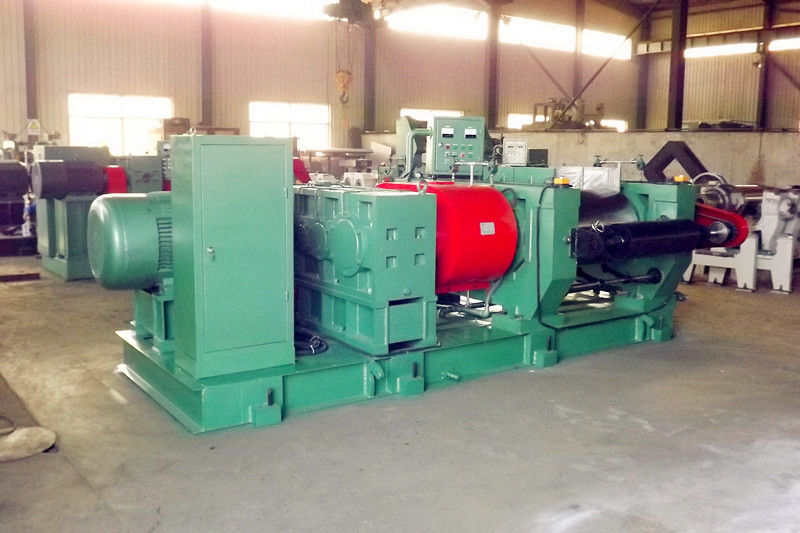
 Open refining millDiscover our Open Refining Mill, a high-performance rubber refining machine featuring hydraulic adjustment and Korean technology. Ideal for regenerated rubber refining and sheeting, reducing labor intensity with advanced automation.
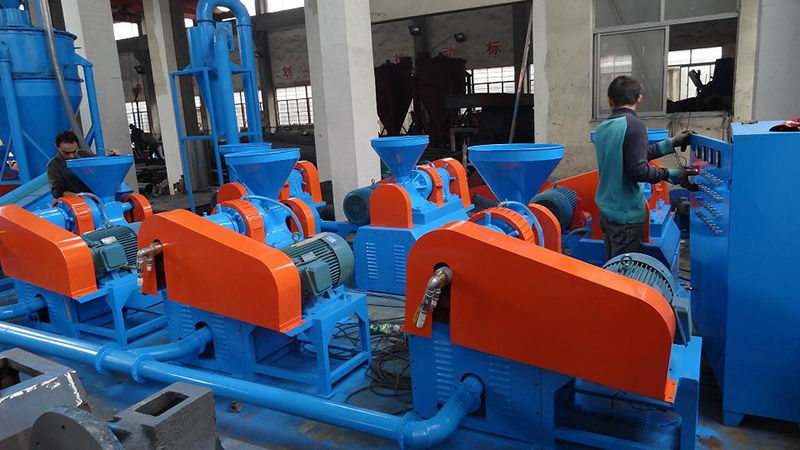
 Rubber powder crusher grinderDiscover our high-efficiency Rubber Powder Crusher Grinder, designed for milling man-made and used rubber with low noise and dual cooling systems. Adjustable granularity (40-100 mesh) and energy-saving operation.
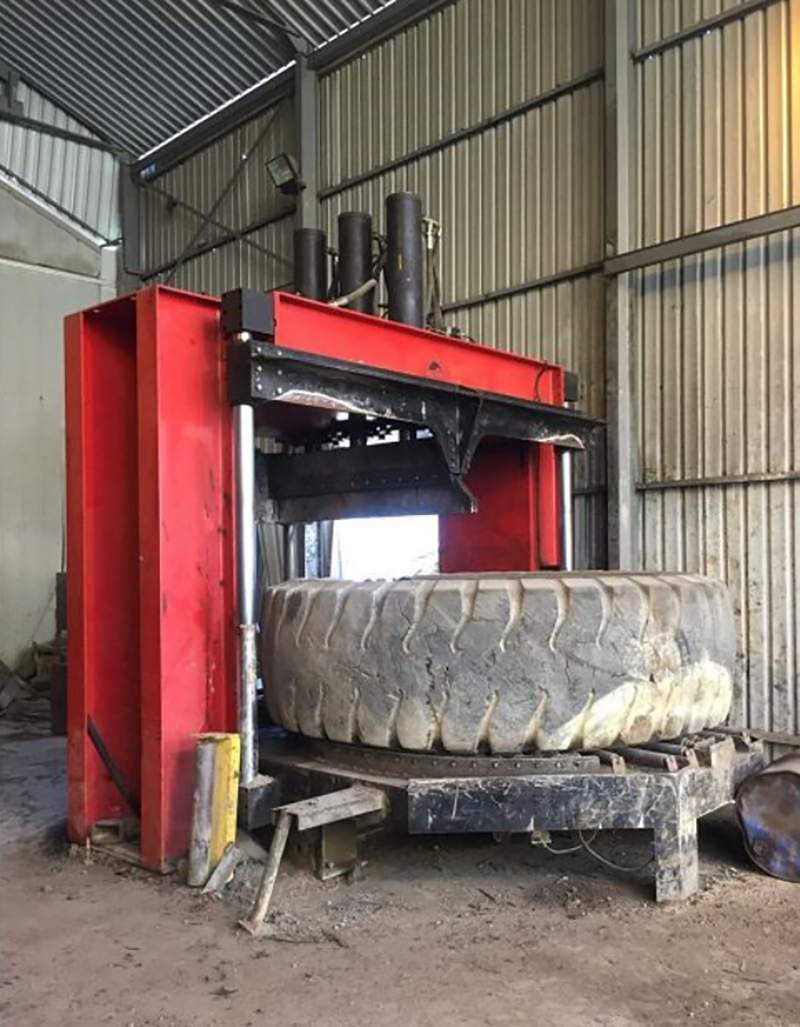
 Tyre cutterTC-4000 heavy-duty tire cutter specially designed for giant OTR & mining tires up to 4000mm. Features Siemens motor & 380T hydraulic force for efficient pre-shredding.